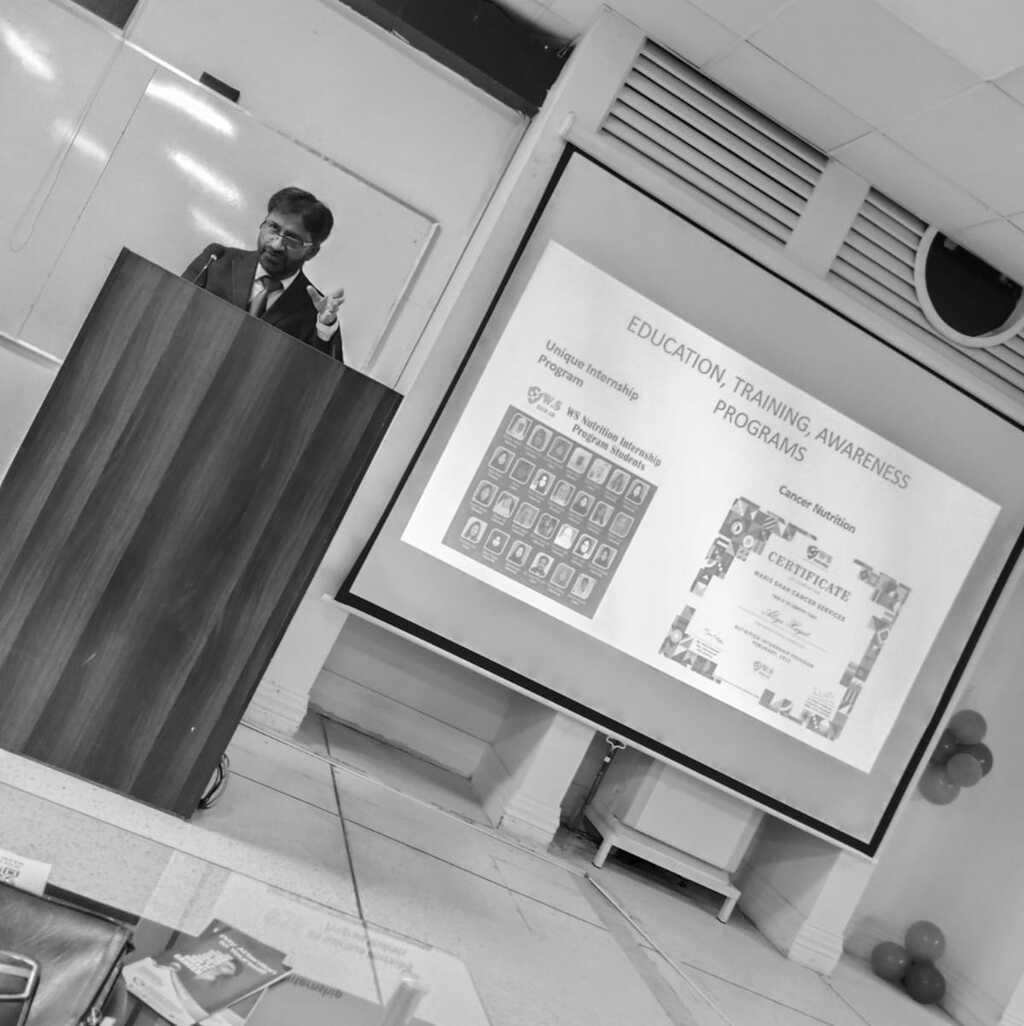

My City Cancer Challenge is a global movement dedicated to transforming cancer care at the city level. It empowers local leaders, healthcare institutions, civil society, and communities to co-design solutions that improve equitable access to cancer prevention, diagnosis, and treatment.
Our city is stepping forward to become part of this challenge—recognizing the urgent need to strengthen cancer preparedness in the face of rising climate risks, environmental pollution, lifestyle changes, and increasing digital vulnerabilities in health systems.

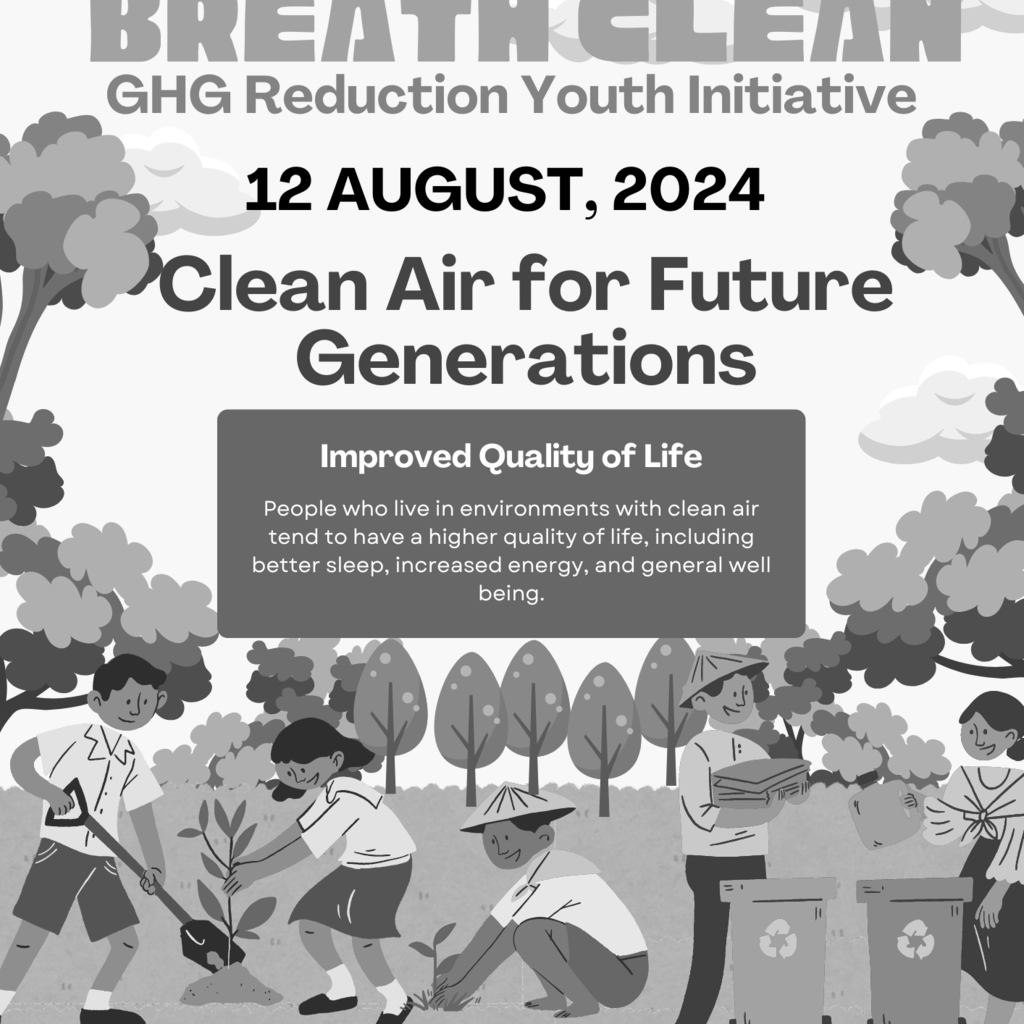
Breathe Clean is more than a message—it’s a call to action for healthier communities and a safer planet. With every breath we take, air pollution silently affects our health, environment, and future generations. By promoting sustainable practices, reducing emissions, and advocating for responsible urban development, we can ensure that clean air becomes a universal right, not a privilege. Let us work together to protect the purity of the air we breathe—because every breath matters and every action counts

Kitchen gardening is a simple yet powerful way to grow smart and eat healthy. It involves cultivating fresh vegetables, fruits, and herbs in small spaces like your backyard, terrace, or even pots on a balcony. By growing your own food, you ensure it is free from harmful chemicals and full of natural nutrients, which promotes better health and well-being.
A kitchen garden encourages smart living by reducing grocery expenses and minimizing food waste. You harvest only what you need, keeping your meals fresh and seasonal. It also supports environmental sustainability by lowering your carbon footprint, as there is no need for transportation or excessive packaging.

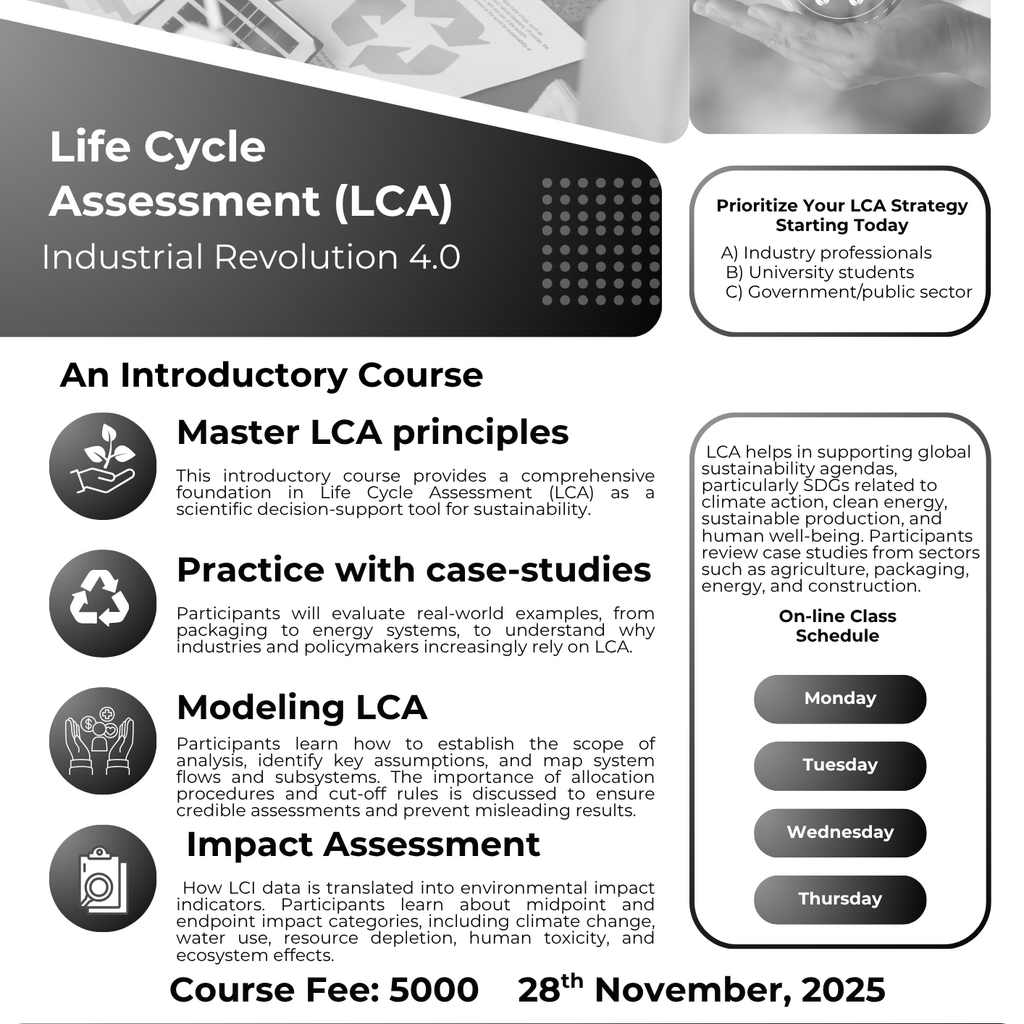
Corporate Life Cycle Assessment (LCA) is a strategic approach used by organizations to evaluate the environmental impacts of their operations, products, and services across their entire life cycle—from raw material extraction to production, distribution, use, and disposal. By applying LCA at a corporate level, companies can identify key areas where resources are consumed, emissions are generated, and waste is produced. This enables informed decision-making to improve efficiency, reduce environmental footprints, and support sustainability goals.

Urban forests are networks of trees, green spaces, and vegetation within cities that play a vital role in improving environmental and human well-being. They help reduce air pollution, absorb carbon dioxide, and regulate urban temperatures, making cities cooler and more livable. Urban forests also support biodiversity by providing habitats for birds and other wildlife, while enhancing the aesthetic beauty of urban areas. In addition to environmental benefits, they contribute to better mental and physical health by offering spaces for relaxation and recreation.